

LMF Nutritional Articles & Blog
To refine your search, select a category below to filter the articles and blog.
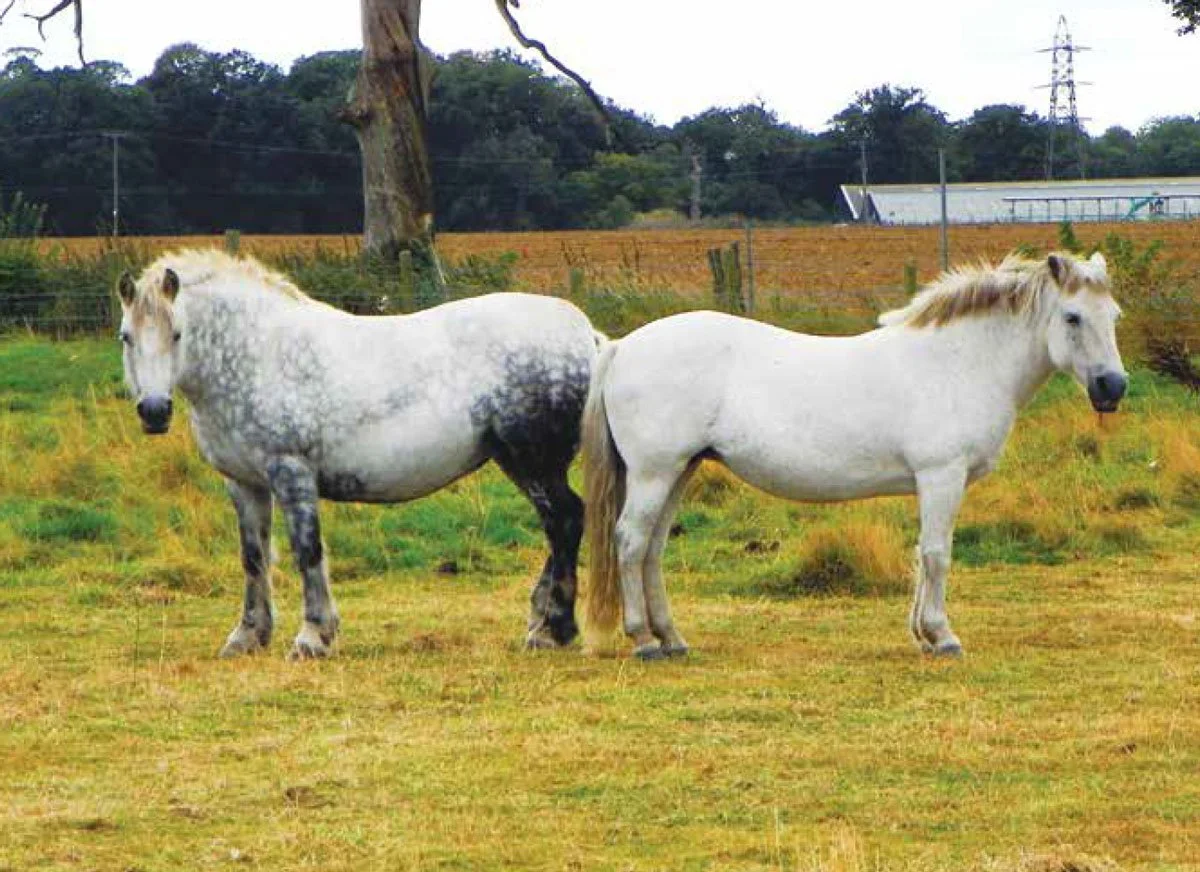
Feeding Horses to Avoid Metabolic Issues
Horses are grazing herbivores that live in herds when in their natural environment. They are designed to walk over long distances consuming a variety of forages constantly throughout the day.
Feeding Horses with Respiratory Issues
Respiratory diseases can be costly for the horse owner in many ways. The major categories of respiratory diseases affecting horses are infectious (those caused by viruses or bacteria), allergic and parasitic.
Developmental Orthopedic Disease
Developmental orthopedic disease (D.O.D.) can be loosely defined as any musculoskeletal disorder that occurs in the young animal as a result of growth and maturation.
Cushings Disease
Cushing’s disease, also known as PPID (pituitary pars intermedia dysfunction) is a progressive disorder that begins with the dysfunction of the pituitary gland.
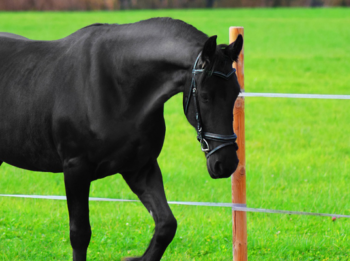
Feeding Studs
The goal of any breeding program is to produce strong sound foals. To do this there are several factors involved including genetics, environment and nutrition.
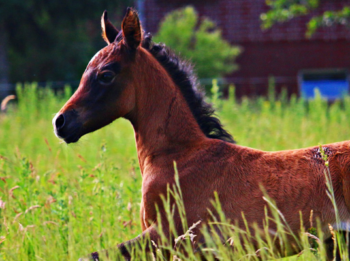
Feeding Growing Horses
The goal of any breeding program is to produce strong sound foals. To do this there are several factors involved including genetics, environment and nutrition.
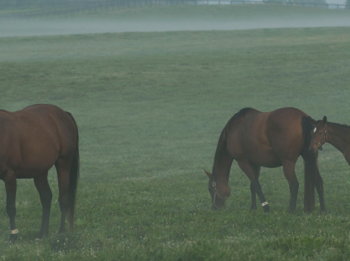
Feeding the Breeding Farm
The goal of any breeding program is to produce strong sound foals. To do this there are several factors involved including genetics, environment and nutrition.
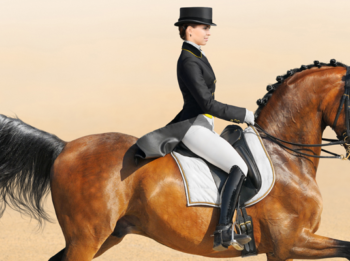
Feeding a Dressage Horse Part II
Fats and oils are commonly used in horse feeds to increase the calorie content of the feed or to replace the calories supplied by carbohydrates. Fat supplementation has many benefits including, providing calories for weight gain and providing essential fatty acids to improve skin and coat condition.
Feeding a Dressage Horse Part I
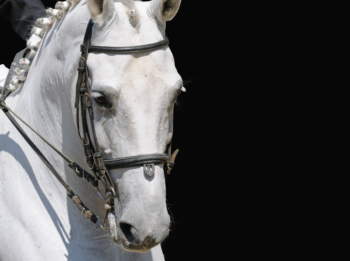
Dressage requires power, athleticism, concentration and obedience from the horse. The type of work required from a dressage horse could be compared to a cross between weight lifting and ballet in human terms and requires the development of muscle.

Calming Feeds for Performance Horses
We have all heard the terms: “feeling their oats”, “high”, “fizzy”, “hot” and “hyper”. All terms used by horse owners to describe the effect that grain or certain feeds seem to have on the behavior of their horses.
Essential Fatty Acids for Horses
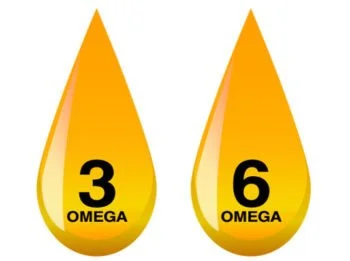
Recent advertisements have focused on the use of Omega-3 supplements for horses, usually containing flaxseed meal, rice bran oil, vegetable oil, or fish oil. Studies in horses have found many health benefits with supplementation of Omega-3 fatty acids in the diet.
Don't Forget the Electrolytes
We are right in the thick of summer, and you are likely seeing your horses attempt to keep cool by sweating. The process of sweating causes a decrease in core temperature through evaporative cooling at the skin surface.
Chelated Minerals
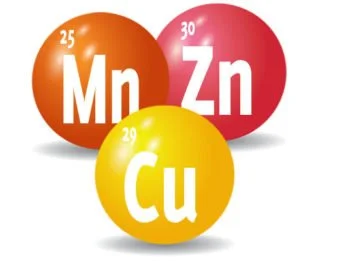
Minerals are vital to health. They are the building blocks that make up muscles, tissues, and bones. They also are important components of many life-supporting systems and activities, and they are important to hormones, oxygen transport, and enzyme systems. Minerals participate in the chemical reactions that occur inside the body. These nutrients may work as cofactors or helpers.
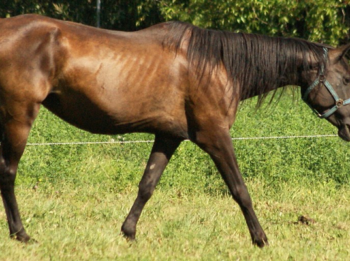
Chronic Weight Loss in Horses
Weight loss is simply a result of more calories being used by the body than are being consumed. There are several potential causes of chronic weight loss in horses.
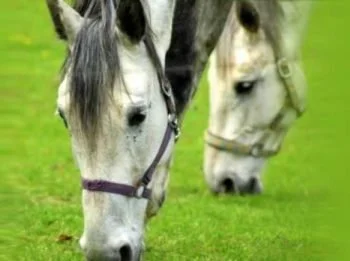
Leaky Gut
The digestive system of the horse is truly amazing. Simplistically, the digestive system of the horse can be thought of as a hollow tube that passes through the body from the mouth to just under the tail. It has the task of taking feed material in and then digesting that material.
A Balanced Diet "At All Costs"
For those people who own horses, properly feeding them is an important responsibility. A nutritionally balanced diet will allow horses to perform, reproduce, grow and maintain their health. However, with the current economy how do horse owners balance their horses’ diets under a barrage of economic pressure?
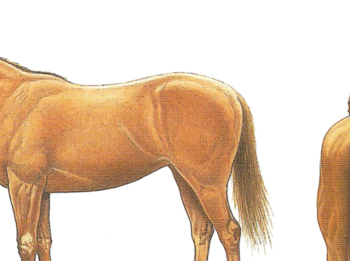
Body Condition Scoring
All horse owners want their horses to be healthy, look good, and be physically fit athletes. Nutritional management is a simple, yet cost effective tool that we can apply to ensure, improved performance and health in our horses. Body condition scoring serves as an effective tool to determine the nutritional needs of your horse.

Digestible Energy
An important measure of a horse feed’s value is its energy content. Energy density determines how much feed must be fed to meet an animal’s energy requirement. How much you need to feed then determines the concentration of all other nutrients in the feed.
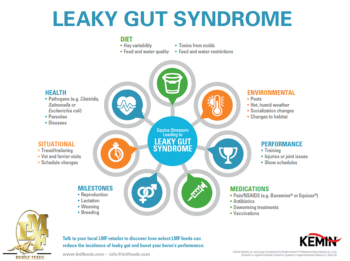
Leaky Gut Stress Wheel
Do you know what’s stressing your horse out? Multiple causes of stress can lead to Leaky Gut Syndrome (LGS). Select LMF feeds include ButiPearlTM Z EQ, which can help combat LGS.